How Electrical Contractors Execute Industrial Control System Projects Overview
Introduction To Industrial Control Systems
Understanding how electrical contractors execute industrial control system projects is essential for the safe, efficient, and reliable operation of factories and industrial facilities in KSA. These projects involve complex automation, integration, and safety requirements that must meet both local SASO and global IEC standards. At their core, industrial control systems (ICS) automate processes across industries in cities such as Riyadh, supporting sectors such as manufacturing, power, and petrochemicals. With over 15 years of experience and ISO 9001:2015 certification, ECS KSA excel in delivering reliable solutions across 30+ countries. Modern ICS deployments require comprehensive planning, advanced control panel integration, and adherence to Saudi and international grid codes, ensuring seamless operation and system longevity in demanding environments.
Industrial control system project steps typically start with requirement analysis and continue through engineering, component selection, and system commissioning. Electrical contractor project execution calls for deep understanding of industrial automation in Saudi Arabia, particularly with the rise of smart factories and Industry 4.0 in Dammam’s industrial zones. Whether the goal is process efficiency or enhanced safety, electrical contractors act as critical partners, converting complex automation demands into precise, practical installations. Their know how bridges the gap between electrical engineering best practices and site specific needs, fostering infrastructure that delivers reliable service and uptime in every ICS project execution Saudi wide.
The complexity and scale of industrial control system installation are evolving rapidly, with new demands for faster commissioning and higher operational standards. ICS projects handle everything from integrating explore reliable MCB solutions for contractors to advanced VFDs and PLCs, all built to rigorous electrical safety standards. With the support of expert electrical contractors, clients in sectors like oil & gas, food processing, and mining benefit from a seamless project experience, achieving not only compliance but also long term operational excellence. Successful industrial automation projects depend on precise execution and the ability to anticipate and overcome unique KSA challenges in every phase of project delivery.
Key Roles Of Electrical Contractors In Execution
Electrical contractors serve as project leaders, technical experts, and quality managers when handling industrial control system project steps in Saudi Arabia’s major industrial hubs, including Jeddah’s logistics and manufacturing parks. Their responsibilities extend from site evaluation, system design, and engineering to procurement and installation of control panels per IEC 61439 standards. Ensuring each phase meets both KSA specific SASO requirements and stringent international codes, contractors guarantee safety, interoperability, and compliance across the project lifecycle. The execution process demands sharp attention to detail, coordination of multidisciplinary teams, and in depth knowledge of local site conditions.
In addition to core electrical and automation expertise, contractors must chart a course through regulatory compliance, documentation, and project management for electrical contractors. Their expertise encompasses organizing site safety audits, supervising installation crews, and handling secure cable routing and device mounting for control panel integration KSA wide. As the backbone of ICS project execution Saudi industries can trust, contractors routinely manage client expectations, facilitate communication between all stakeholders, and maintain strict adherence to delivery schedules. Well orchestrated project execution lowers the risk of operational disruption common in energy intensive sectors.
A hallmark of professional electrical contractor project execution is reliable component selection. using products like high performance discover high performance VFD models, reliable MCBs, and certified LV enclosures, expert contractors deliver scalable and futureproof solutions. This approach ensures smooth coordination between power systems and controls in Saudi refineries, steel plants, and water treatment facilities. By aligning technical requirements with project deliverables and ensuring alignment with both SEC grid code and IEC standards, contractors provide clients with reliable automation solutions tailored for Saudi Arabia’s unique industrial environment.
Project Lifecycle Basics
Every industrial automation in Saudi Arabia project follows a structured lifecycle, ensuring quality and operational reliability from start to finish. The typical project lifecycle begins with initial site assessment, where the contractor surveys the existing infrastructure, identifies client needs, and evaluates critical factors such as site location, environment, and local compliance. This meticulous groundwork is especially crucial for industrial facilities operating in challenging conditions such as the Jubail petrochemical cluster, where system uptime and durability are paramount. Accurate site data forms the foundation for successful engineering and project management for electrical contractors.
Following the assessment, the engineering and design phase maps out the architectural layout of the control system. Detailed plans include selection of certified devices, network topology, and panel placements, conforming to IEC and SASO codes. Resource allocation and risk management also come to the forefront during this phase, as contractors anticipate supply chain constraints, vendor certification requirements, and unique Saudi project needs. System reliability, redundancy, and scalability are planned, aiming to futureproof assets against industry developments and regulatory shifts in KSA.
Installation, testing, and commissioning make up subsequent lifecycle phases, where hands on coordination and technical agility are put to the test. Contractors orchestrate careful system integration, wiring, and device configuration within approved IP54/IP65 rated enclosures suited to local industry requirements. The final handover follows thorough performance testing and client training, completing a process designed for strict compliance and operational excellence. This thorough approach underpins project success for clients across diverse sectors and underpins how electrical contractors execute industrial control system projects to world class standards.
Unique KSA Challenges In Industrial Control System Projects
Environmental And Compliance Considerations (SASO, IEC)
Executing industrial control system installation in KSA brings unique environmental and compliance complexities. Extreme heat, dust, and humidity prevalent in cities like Al Khobar demand reliable component selection, from corrosion resistant MCCs to tightly sealed wall mount enclosures. Adhering to the strict guidelines set forth by SASO ensures equipment can tolerate harsh climatic impacts and complies with the national safety grid code, while simultaneous alignment with IEC 61439 and IEC 60204 1 is crucial for global acceptance. These dual requirements raise the bar for contractors, who must harmonize local and international standards for every industrial control system project.
Regional compliance obligations go beyond product testing, extending into every phase of control panel integration KSA wide. When integrating automation for sectors like food & beverage, cement, or pharmaceutical processing in Medina, contractors carefully select SASO and IEC marked products that deliver longevity and reliability. Whether configuring an automated batching system or process line, the precision needed for regulatory alignment shapes procurement and documentation at every step. Choice of sturdy enclosures, certified MCBs, and industrial grade cabling is driven by local grid demands and international best practices, ensuring consistent system protection and operational safety.
Contractors also ensure regular quality audits and documentation trails are in place, streamlining certification and inspection processes. This focus on compliance is essential for long term operational authorization especially for plants looking to export products or achieve third party international certifications. Proper management of environment, risk, and compliance unlocks higher system uptime, traceability, and client confidence, all of which are critical to successful ICS project execution Saudi industries require for future growth and market expansion.
Addressing Local Power Infrastructure Needs
Industrial infrastructure in Saudi Arabia faces distinct power delivery challenges, from voltage fluctuations to frequent load variations seen in large scale industrial cities like Yanbu. Contractors executing industrial automation in Saudi Arabia must design and implement control systems capable of withstanding these electrical stresses. Voltage drops, harmonics, and surges are common on the SEC grid, placing greater emphasis on careful device sizing, redundancy planning, and the use of certified power quality equipment, such as automatically regulated PFC panels and surge protective devices. These infrastructure realities affect both design and field commissioning phases.
Power infrastructure needs also extend to system resilience planning. ICS projects for critical industries such as desalination or district cooling must account for standby ATS/MTS switching, onboard SMDB redundancy, and IEC compliant earthing. Contractors often recommend modular panels and best practice cable layouts to accommodate future expansion while maintaining safety and serviceability. Site specific load requirements, low voltage distribution, and distributed control architectures add layers of complexity, making proactive risk evaluation a must for every project. By partnering with a contractor experienced with the nuances of Saudi industry, plant operators benefit from solutions that balance reliability, scalability, and cost effectiveness.
System design is further shaped by grid code rules and connection protocols mandated by SEC and SASO, especially for factories integrating renewable energy or high efficiency drives. Electrical contractors use advanced simulation and measurement tools to validate load profiles, minimize energy losses, and optimize component selection. This technical rigor lays the groundwork for efficient, standards compliant ICS installation that meets present operational needs while facilitating Saudi Vision 2030 targets for industrial innovation and sustainability.
Managing Project Timelines In Industrial Plants
Effective timeline management is critical for the success of every industrial control system project in KSA, where downtime can significantly impact production and revenue. Contractors working with petrochemical giants in Ras Al Khair or high volume manufacturing plants in Riyadh must harmonize work schedules with live production cycles and scheduled shutdowns. Typical ICS projects are divided into strict milestones, supporting parallel activity streams such as site preparation, panel assembly, and software development alongside ongoing factory operations. Key success factors include agile resource allocation, proactive supply chain control, and reliable stakeholder communication, all of which are central to project management for electrical contractors.
Complex project scopes demand a detailed Gantt chart, clear deliverables, and buffer time for equipment shipment, certification, and field testing. Delays in component sourcing, such as custom built control panels or SASO certified VFDs, can impact overall strategy. Leading electrical contractors mitigate these risks by employing dedicated project coordinators and using digital project tracking tools. Efficiently orchestrating installation crews and technical specialists allows for quick adaptation to unforeseen site challenges, helping to deliver every phase on schedule and within budget.
Onsite coordination and continuous progress reviews ensure system integration, FAT/SAT testing, and client handover can be carried out with minimal disruption to critical operations. Through rigorous planning, adherence to standards, and a deep understanding of localized operational constraints, contractors deliver prompt and seamless project execution. This delivery model directly supports the industrial control system project steps required for Saudi Arabia’s ambitious industrial expansion and global competitiveness.
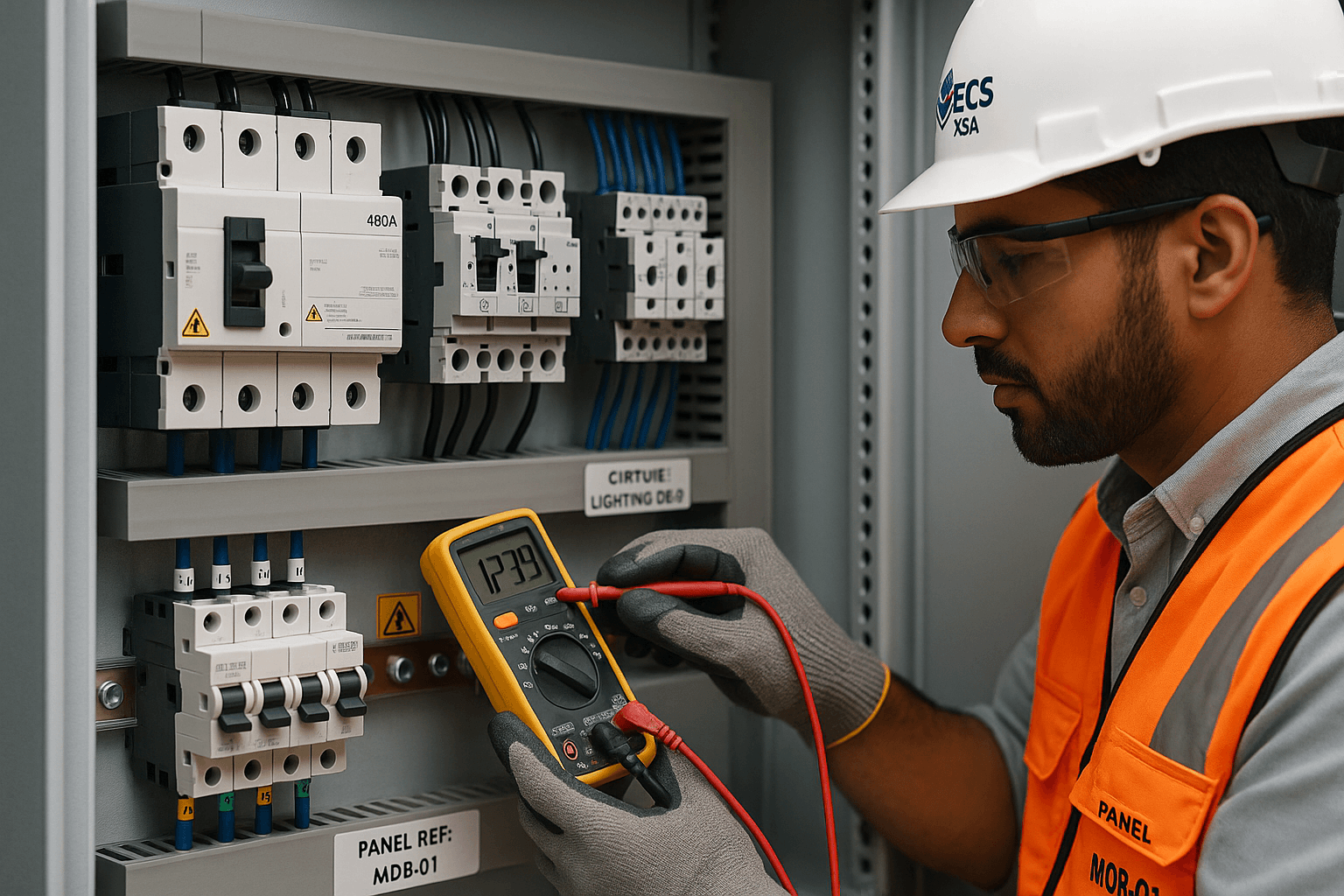
Stepwise Solutions On How Electrical Contractors Execute Industrial Control System Projects
Site Assessment And Control System Design
The first step in the process of how electrical contractors execute industrial control system projects is a thorough site assessment and detailed control system design phase. Contractors visit the facility whether it’s a major pharmaceutical plant in Jeddah or a logistics warehouse in Dammam to gather information on utility feeds, current infrastructure, ambient conditions, and any site specific hazard. A crucial aspect is detailed documentation of all power sources, equipment layouts, and communication needs, which forms the backbone of subsequent engineering decisions. This foundation ensures that the proposed system smoothly integrates with the plant’s unique demands and KSA operational realities.
During the design phase, electrical contractors work closely with facility managers and engineering teams to identify control objectives, such as automated sequencing, remote monitoring, or energy optimization. This process covers the distribution of LV control panels, selection of I/O devices, and communication network design within SASO and IEC standards. Contractors factor in future scalability for plant expansions or technology upgrades. Each design is tailored to withstand external challenges like heat, humidity, and dust factors that KSA industries frequently encounter. Advanced software modeling and digital twin simulations further refine system design, reducing rework and costly scope changes downstream.
The resulting documentation ranging from cable schedules to process narratives and wiring diagrams serves as a blueprint for the entire project. These detailed plans not only guide panel manufacturing and on site installation but also provide the basis for client training and future troubleshooting. By investing in rigorous site assessment and custom system design, contractors lay the groundwork for smooth and compliant project execution that delivers lasting value to KSA’s industrial sector.
Why Choose United Force For Industrial Control System Projects
Authorized Schneider Electric Partnership Benefits
At United Force, our authorized Schneider Electric partnership delivers access to best in class automation solutions, superior technical support, and expedited supply channels for every KSA project. This alliance ensures clients benefit from genuine, SASO certified components, streamlined procurement, and the most up to date solutions across VFDs, PLCs, and smart MCCs. By using Schneider Electric’s global technology with our local expertise, United Force ensures consistent performance and lifecycle value for mission critical systems. Clients enjoy seamless integration, improved uptime, and reduced long term maintenance costs, all vital for how electrical contractors execute industrial control system projects at world class standards in Saudi Arabia.
Compliance With IEC And SASO Standards
Our solutions are engineered in strict accordance with IEC 61439 and SASO requirements, ensuring panels and assemblies perform safely in any industrial climate. United Force deploys end to end quality controls, rigorous testing regimes, and complete documentation trails for every KSA installation. This dedication eliminates compliance risks and streamlines third party approvals, giving clients full confidence, whether they aim to meet SEC mandates or export globally. Every project applies certified wall mount and floor standing enclosures, providing reliable environmental protection for vital automation. To see our full range, explore sturdy wall mount enclosures for control panels designed for Saudi’s industrial sector.
Proven KSA Expertise In Industrial Projects
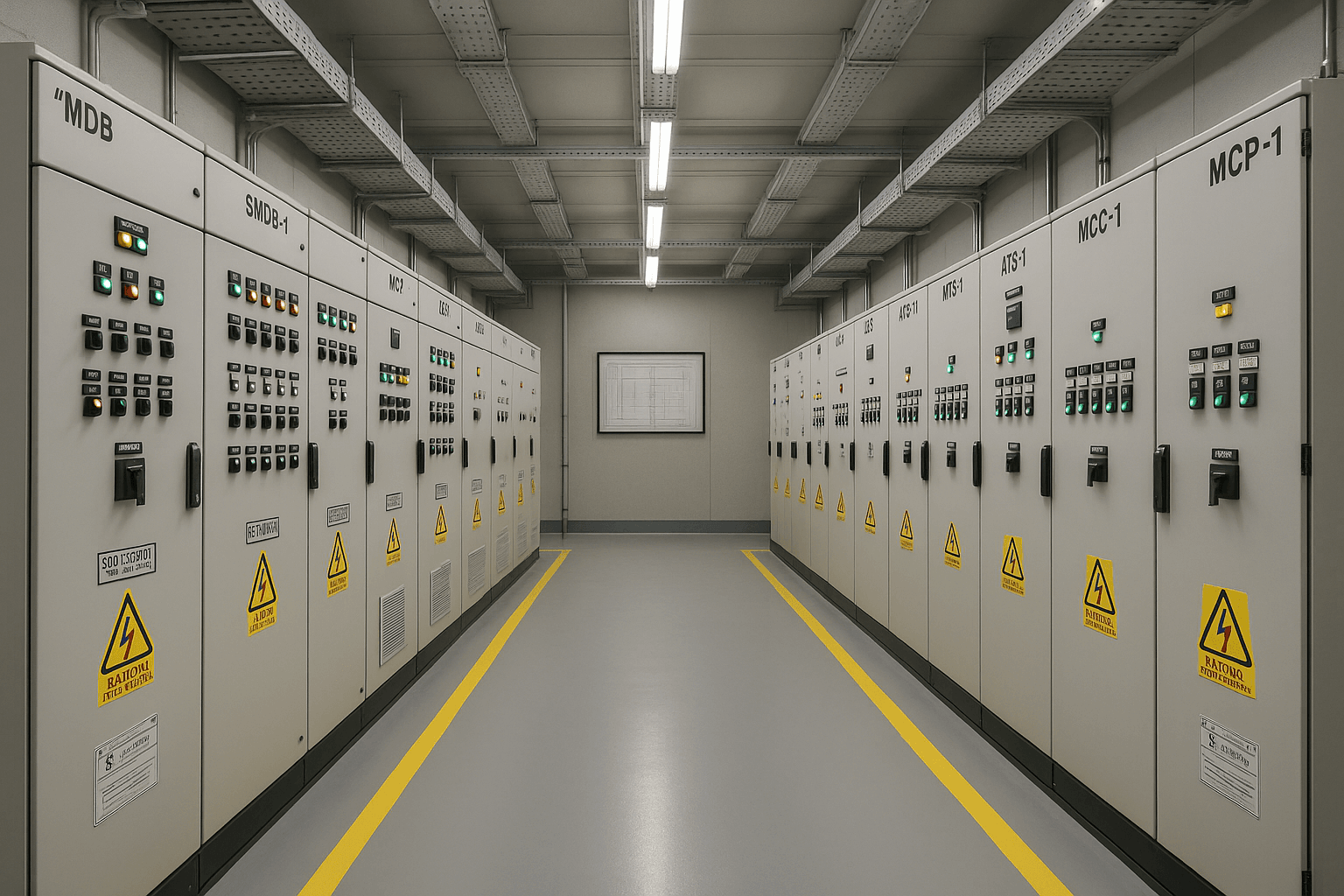
With more than 15 years of project delivery in KSA, United Force stands as an industry leader with deep rooted local know how. We have executed industrial control system projects for Saudi Vision 2030 giga projects, including district cooling and advanced manufacturing plants. In a recent Riyadh water treatment facility upgrade, United Force’s team replaced legacy systems, installed energy efficient Schneider Electric VFDs, and re engineered the MCC room. Post upgrade, electricity consumption fell by 18%, maintenance incidents declined by 70%, and plant uptime improved from 93% to 99.5%. Our experience streamlines every phase from production and assembly to site commissioning, ensuring rapid, reliable, and standards compliant outcomes for every client in Saudi Arabia’s industrial heartland.
Frequently Asked Questions
What steps do electrical contractors follow for industrial control system projects?
Electrical contractors begin with a comprehensive site survey to assess existing infrastructure, operational needs, and compliance requirements. Next, they develop detailed system designs, including control panel layouts and component selection. The process continues with procurement, panel assembly, and on site installation. Contractors then perform rigorous testing, commissioning, and operator training before handing the system over. Every phase is managed for safety, efficiency, and strict SASO and IEC compliance, ensuring industrial reliability in Saudi Arabia.
How do contractors in Saudi Arabia meet SASO and IEC standards?
Contractors follow SASO approved product lists and engineering specifications, only sourcing certified electrical components and enclosures. All designs align with relevant IEC codes, such as IEC 61439 for panel assemblies. Documentation, internal audits, and pre commissioning inspections are rigorously maintained. By adhering to stringent procedures, contractors assure safe, fully compliant installations for Saudi industry, and smooth approval from regulatory authorities, safeguarding plant safety and long term operational authorization.
What are common challenges in KSA industrial project execution?
Key challenges include managing extreme temperatures, dust, and humidity, which can threaten equipment performance. Electrical supply interruptions and SEC grid code complexities require advanced redundancy and power quality planning. Supply chain delays and evolving compliance needs pose additional risks. Successful contractors mitigate these issues with reliable project planning, resilient component selection, and close attention to scheduling, helping clients achieve seamless installation and minimal downtime.
Why is Schneider Electric preferred for control system components?
Schneider Electric is favored for its proven reliability, wide range of SASO and IEC compliant products, and reliable technical support in Saudi Arabia. Their control panels, VFDs, and automation modules offer scalability, energy efficiency, and leading edge safety features. United Force’s authorized partnership ensures timely access to genuine components and advanced solutions, streamlining both installation and future upgrades for industrial automation projects across KSA.
Conclusion
Mastering how electrical contractors execute industrial control system projects in KSA requires a unique blend of advanced engineering, rigorous compliance, and deep industry expertise. United Force applies over 15 years of local project delivery with global best practices, providing solutions that balance safety, scalability, and efficiency. From demanding petrochemical plants to Vision 2030 giga projects, our ISO 9001:2015 certified approach guarantees reliable project execution, operational excellence, and sustained value for every industrial client in the Saudi market.
Ready to Power Your Industrial Expansion?
ECS KSA delivers ISO 9001:2015 certified electrical solutions across Saudi Arabia, built to IEC and SASO standards.
Get a Free Quote